 News platform for Muslim women - an initiative by the Muslim Women's Network UK charity (reg. 1155092)
The Dangerous Normalisation of Anti-Muslim Hatred

 0
0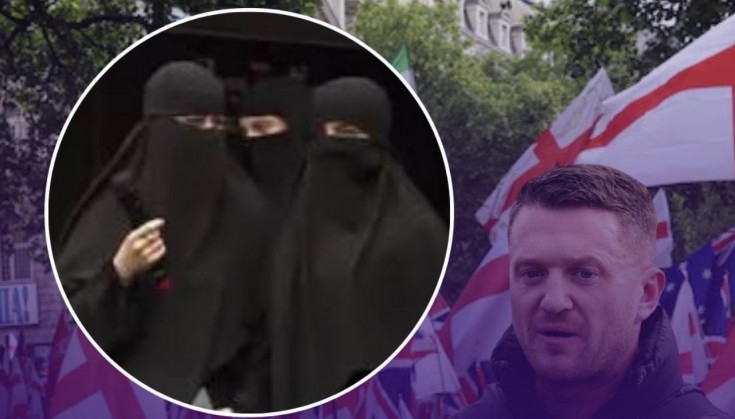
by Baroness Shaista Gohir (CEO of Muslim Women's Network UK)
At Tommy Robinson’s ‘Unite the Kingdom’ rally in London on 16th May 2026, members of the French far-right feminist group Collectif Némésis staged a provocative stunt that has since spread widely online. Three women wearing niqabs and burkas walked onto the stage before dramatically removing them to chants of “take it off” with the crowd responding with cheers and applause.
Some commentators have defended the stunt under the banner of free expression or the ‘right to offend.’ But context matters – it was at a gathering where anti-Islam and anti-Muslim inflammatory rhetoric was being promoted. It was a calculated public display of anti-Muslim hostility designed to humiliate visibly Muslim women and turn their religious dress into an object of ridicule and contempt. The stunt sent a deeply dangerous message: that openly targeting Muslim women with mockery, intimidation, and abuse is socially acceptable.
The impact of such spectacles extends far beyond a single rally. The viral videos will reinforce harmful stereotypes, embolden harassment, and contribute to a climate of fear for Muslim women across Britain. Women who wear the hijab, niqab, or burka already face disproportionate levels of verbal abuse, physical intimidation, and threats in public spaces. Incidents like this only intensify those risks. There have been cases where Sikh women were raped because attackers wrongly believed they were Muslim.
Heightened anxiety is resulting in some women changing the way they dress so they attract less attention such as wearing darker colours, covering their headscarves with hats, or avoiding visibly Islamic clothing altogether.
Fear of hate crime is quietly curbing the freedoms of Muslim women. Many Muslim women now describe altering their daily behaviour to avoid becoming targets. Some avoid walking alone and travel in groups or avoid certain areas or even and limit time spent in public, especially when accompanied by children. Heightened anxiety is resulting in some women changing the way they dress so they attract less attention such as wearing darker colours, covering their headscarves with hats, or avoiding visibly Islamic clothing altogether.
This growing normalisation of anti-Muslim hatred is causing profound psychological distress among Muslim communities in the UK and in other Western countries where Muslims are minorities. Many Muslims no longer feel safe, whether online, in public spaces, or even at places of worship. Recent events abroad underline how deadly such hatred can become. The horrific murder of three Muslims in a gun attack at a mosque in San Diego is a chilling reminder that anti-Muslim rhetoric does not exist in a vacuum. Hate has consequences.
The UK has already witnessed the devastating impact of far-right extremism. In 2013, Mohammed Saleem was murdered by a white supremacist. In 2017, another extremist drove a vehicle into worshippers outside Finsbury Park Mosque, killing Makram Ali. More recently, 60-year-old Thomas McKenna stockpiled weapons and explosives while planning attacks on Muslim migrants, while 21-year-old Alfie Coleman plotted a rifle attack on a mosque. There have also been attempted axe attacks and multiple incidents involving individuals trying to run Muslims over with vehicles. Yet anti-Muslim hatred continues to be minimised or dismissed by the media and by politicians.
When political leaders fail to challenge anti-Muslim hatred consistently and unequivocally, it contributes to its normalisation.
While Prime Minister Keir Starmer’s condemnation of the San Diego mosque attack was welcome, words alone are not enough. Many Muslims are asking why has it taken an atrocity abroad to prompt a political response, while hostility at home is met largely with silence. For example, government ministers did not condemn the openly anti-Muslim rhetoric and hostility displayed at the Tommy Robinson London rally. That silence matters. When political leaders fail to challenge anti-Muslim hatred consistently and unequivocally, it contributes to its normalisation. It emboldens extremists and fosters an environment where violence against Muslims becomes increasingly likely.
The Government must act urgently which must include engaging directly with Muslim communities across the country and addressing the growing ecosystem of anti-Muslim disinformation. There are increasing concerns that wealthy individuals and organisations are funding hate preachers and online networks that profit from spreading fear and hostility towards Muslims. At the same time, social media platforms continue to allow anti-Muslim hatred to flourish unchecked, while algorithms often amplify inflammatory and hateful content because outrage generates engagement.
Muslims should not have to wait for another tragedy before their fears are taken seriously.
Shai
I am the CEO of Muslim Women's Network UK and a Crossbench peer in the House of Lords. Equality advocate - Diversity is being invited to the party. Inclusion is being asked to dance.


Join Our Movement
Raise your voice and get connected